

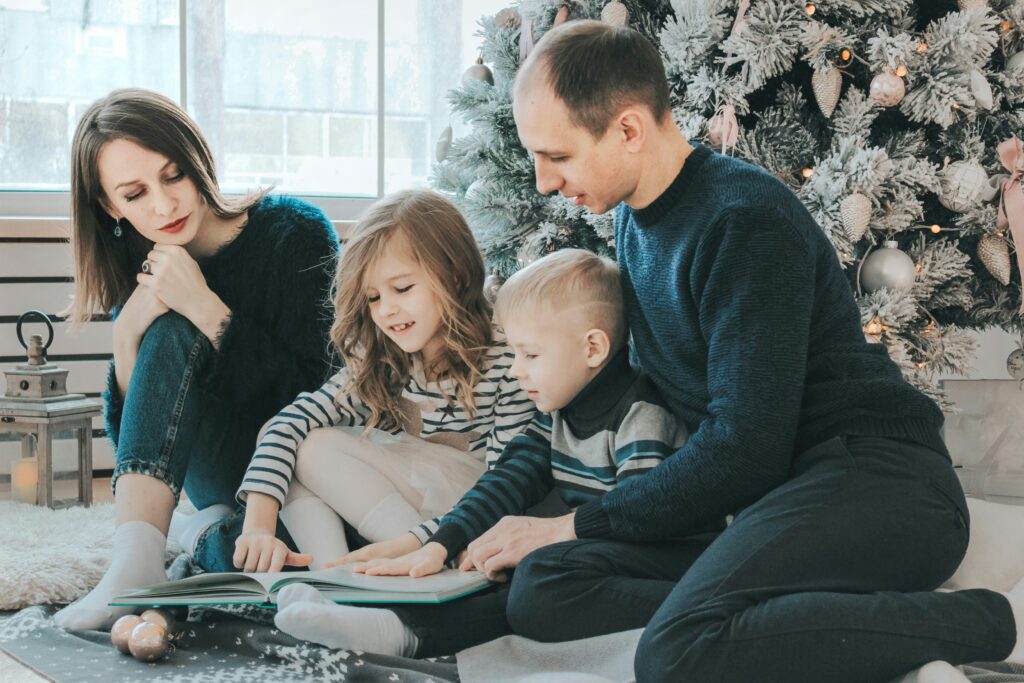
Family Coloring Activities
Busy schedules and constant screens mean many couples and families spend time in the same house but not actually together. Shared offline activities can counter this pattern. Research on relationships and family life suggests that simple, enjoyable things you do side by side – especially when they become small rituals – are linked with stronger connection and better communication.
Coloring is one of the easiest activities to turn into this kind of shared ritual. It is inexpensive, low-pressure, and works for mixed ages and abilities. Below is how the science around shared leisure, art-making and family rituals maps onto something as simple as sitting down with pencils and a page.
Why shared leisure time matters for relationships
Relationship and family research consistently finds that shared leisure time is associated with better romantic satisfaction and a stronger sense of closeness, compared with couples who mostly relax separately. Studies summarised in sources such as Psychology Today highlight that it is not just “time in the same room” that matters but actively doing something together that both people enjoy.
For families, a similar pattern appears around routines and rituals. Reviews of decades of research on family rituals report that regular, predictable shared activities – such as weekly game nights, shared meals or bedtime routines – are linked with a stronger sense of belonging, better emotional regulation in children, and more positive family relationships.
Why coloring is especially suitable
Adult coloring has been studied mainly for its effects on stress and anxiety. Experimental work by Curry & Kasser and others found that structured coloring tasks, such as coloring mandalas or pre-drawn patterns, were associated with short-term reductions in self-reported anxiety compared with control tasks like free drawing or sitting quietly.
These findings suggest several features that make coloring a good candidate for relationship time:
- It is structured but not demanding, so it does not require artistic skill or energy after a long day.
- It is repetitive and absorbing, which can help people switch out of problem-solving mode and into a quieter, more present state of mind.
- It is easy to share: two people can work on separate pages side by side or on the same picture without needing complex instructions.
For children and adults, this kind of gentle focus can be especially useful when tensions are high. It provides something to do with your hands while you are together, which can make conversation feel less pressured.
How shared coloring supports communication
Research on art therapy and creative therapies with families reports several consistent benefits: improved communication, greater emotional expression, and stronger feelings of closeness between family members. Organisations delivering family art therapy note that creating art together can help children and adults express feelings that are difficult to put into words and can support more empathetic listening within the family.
A summary from Coram, a UK children’s charity, describes how creative therapies can help children understand their emotions, build closer relationships and interact more effectively with family and peers. You can see an overview of these effects on their creative therapies page.
Practical ways to use coloring time as connection time
For couples
- End-of-day wind-down
Set aside 20–30 minutes a few evenings a week for “quiet time” together. Put phones away, make a drink, sit side by side and color separate pages from the same book. Talk if conversation comes naturally; stay quiet if it does not. The shared activity is doing part of the work. - Weekend ritual
Choose a fixed slot (for example, Sunday morning) as “coffee and coloring” time. The repetition turns it into a small ritual that signals you are still a team, even in busy seasons. - Prompt for gentle conversation
Use the pages as a neutral starting point: “Which page did you pick and why?”, “What colors are you in the mood for today?” These questions are low-stakes but can open the door to talking about mood and stress without feeling like a formal “relationship talk”.
For parents and children
- Transition buffer after school or work
Instead of going straight from school to screens, put a few pages and pencils on the table and invite everyone to color for 10–20 minutes. Children often talk more freely when they are doing something with their hands, rather than being asked direct questions. - Shared projects
Work on a larger picture together: one person colors the background, another the details. Taking turns and negotiating colors builds cooperation in a concrete way. - Bedtime calm-down
For children who find it hard to switch off, a short coloring period with calmer, less stimulating designs can become part of the bedtime routine, in the same category as stories or quiet music.
For extended family
- Intergenerational activity
Coloring is one of the few activities that grandparents, parents and children can all do together with very little explanation. Mixed ages can share the same table, each working at their own level.
Making it work in real life
Several points increase the chance that shared coloring feels helpful rather than forced:
- Keep expectations modest
The goal is not to create perfect artwork or to have deep conversations every time. The evidence on shared leisure and family rituals focuses on regular participation and shared attention more than on any specific outcome. - Offer choice, not pressure
Have a few books or themes available (seasonal designs, abstract patterns, simple scenes) so each person can pick what suits them. Pressure to participate or “do it properly” will usually work against connection. - Combine with small reflective questions
Simple, open prompts like “What was one good thing about today?” or “What would you like more of next week?” can be easier to answer while coloring than in a face-to-face conversation at the table. - Adjust for different attention spans
Younger children may only manage 10 minutes; adults might stay longer. It is still a shared ritual even if people come and go within a set window.
When coloring together is most useful
Evidence across relationship research, art-based interventions and family routines suggests a few patterns: shared, low-pressure activities that happen regularly and involve genuine attention to one another are associated with better relationship satisfaction and stronger family bonds.
Coloring fits these conditions well: it is structured enough to be calming, flexible enough to include all ages, and simple enough to repeat weekly without planning. For couples and families looking for a practical way to reconnect without adding another demanding task to the diary, turning coloring into a small shared ritual is one option that aligns with what the research currently supports.
Home coloring sessions are not therapy, and they are not a substitute for professional support when a family is dealing with serious conflict or mental health issues.